
What Really Makes an Event Unforgettable? (The Part Guests Never See)

Most people attend an event and only experience what’s visible on the surface—the lights, the stage, the music, the food, the photo spots, the performances, and the overall atmosphere.

If everything feels smooth and enjoyable, it’s easy to assume that it simply “came together” naturally.
But the reality is very different.
What feels effortless to guests is usually the result of weeks or even months of planning, coordination, problem-solving, testing, and constant refinement. Behind every seamless experience is a long chain of decisions that most people will never notice—but would definitely feel if they were missing.
So what actually makes an event unforgettable?
It’s not just the budget. Not just the venue. Not even the celebrity guest or entertainment lineup.
It’s the invisible layers—the small but intentional details that shape how people feel from the moment they hear about the event to the moment they leave.
1. The Experience Begins Before Guests Arrive

An unforgettable event doesn’t start at the entrance. It starts the moment someone hears about it.
This early stage is often overlooked, but it plays a huge role in shaping expectations and excitement.
The invitation design, the clarity of information, the ease of RSVP, and even the tone of communication all contribute to the first impression.
Think about it:
A confusing registration link creates frustration before the event even begins
A clear, visually engaging landing page builds trust instantly
A well-timed reminder message increases attendance and excitement
Even small things like directions or parking instructions matter.
2. Designing the Invisible Flow of an Event
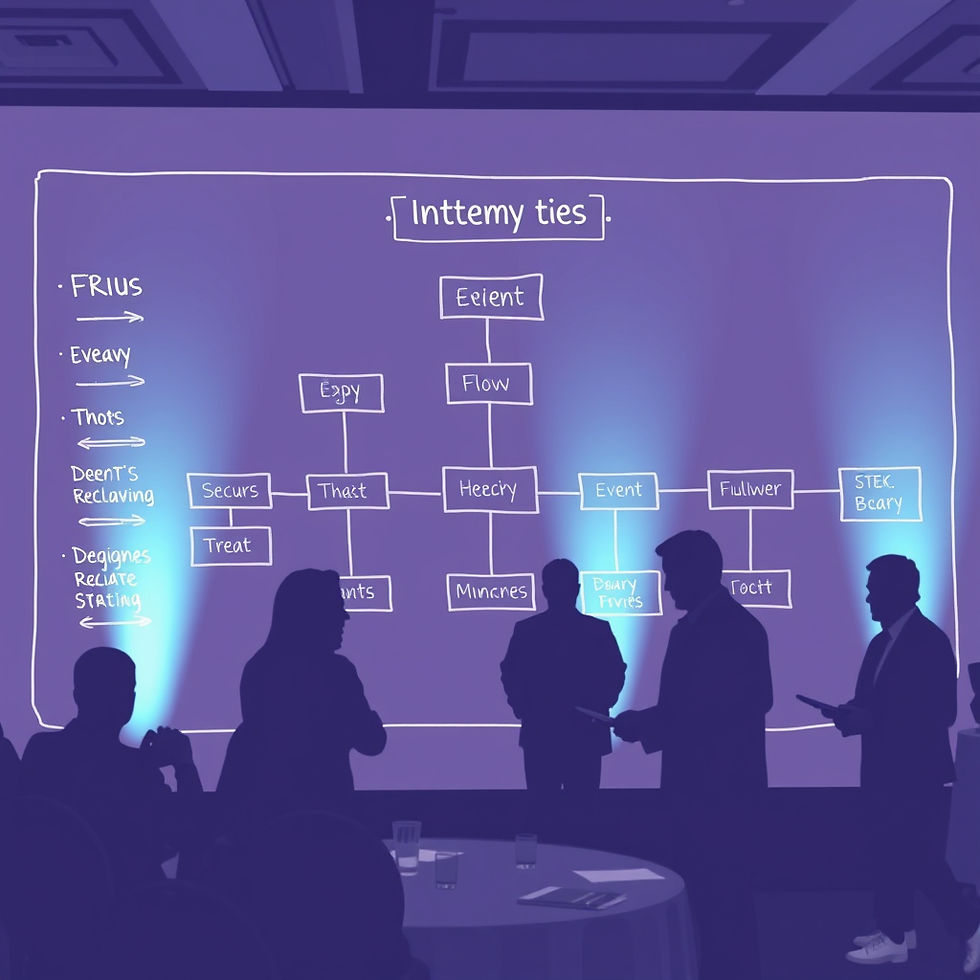
Flow is what guests describe as “well-organized.”
It’s the invisible structure that guides movement and interaction.
Good flow feels natural. Bad flow creates chaos.
Registration should feel intuitive
Activity zones should feel connected
Movement should feel guided, not confusing
When flow is done well, guests don’t notice it—they just experience ease.
3. The Power of Sensory Experience

People may forget what was said, but they remember how it felt.
Lighting sets emotional tone
Music controls energy
Scent creates memory association
Space design shapes perception
A well-designed environment creates immersion without explanation.
4. The Human Touch That Defines the Experience

No matter how beautiful an event is, people remember how they were treated.
Warm greetings, clear guidance, and genuine interaction shape the emotional experience.
Staff attitude can elevate—or damage—the entire event experience.
5. Creating Moments People Want to Capture
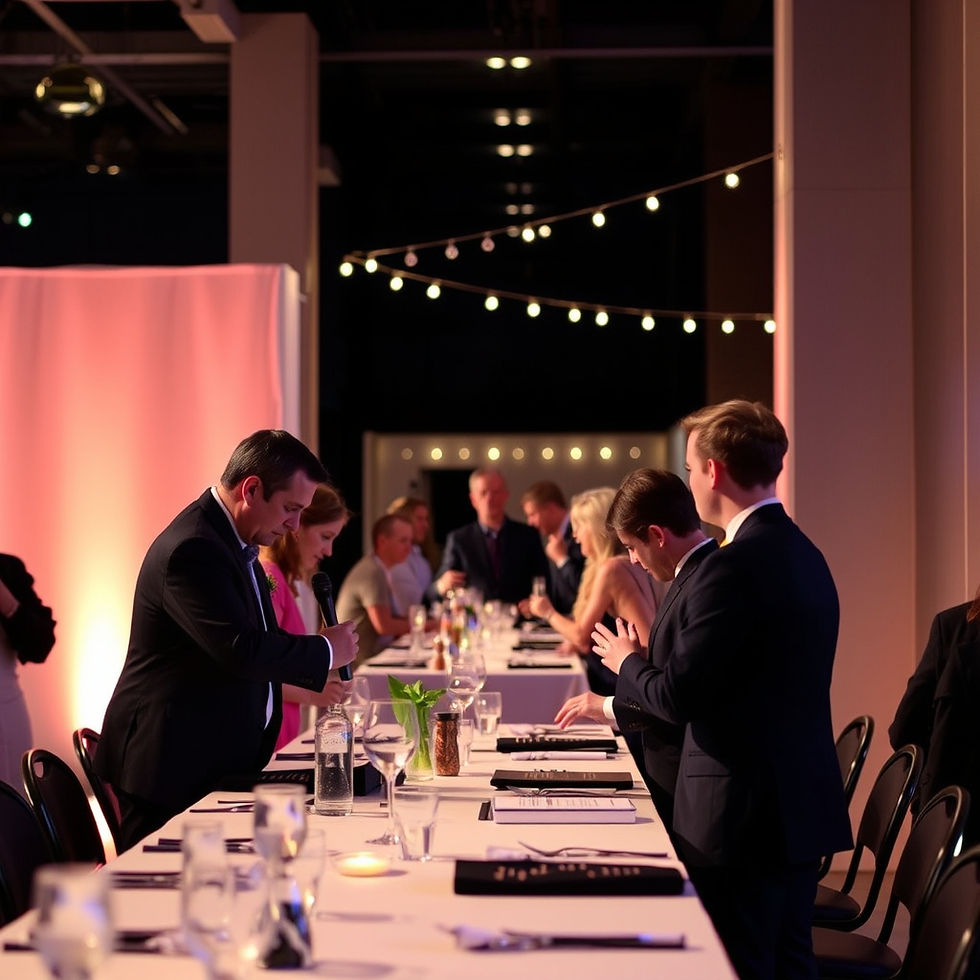
Modern events are also designed for sharing.
But the best photo moments are not forced.
They come from:
Natural visual storytelling spaces
Interactive installations
Emotional or surprising experiences
When guests choose to take photos, it becomes authentic content.
6. The Unexpected Moments That Become the Highlight

The most memorable moments are often unplanned:
A funny mistake
A surprise announcement
A spontaneous reaction
These human moments create emotional connection.
7. Why the Ending Shapes the Entire Memory

The ending defines the emotional takeaway.
A strong closing might include:
A thank-you moment
A group photo
A final emotional cue (music, lights, speech)
People remember how they felt at the end most clearly.
8. What Truly Makes an Event Unforgettable

Unforgettable events are built on connection between all elements:
Before arrival experience
Flow and movement
Sensory immersion
Human interaction
Shareable moments
Emotional closure
When everything aligns, the event feels effortless—even though it was carefully designed.
Final Reflection
Most guests never see what happens behind the scenes.
And that’s exactly how it should be.
Because the goal of an event is not to show complexity it’s to create an experience that feels natural, meaningful, and memorable.
When that happens, an event stops being just an event.
It becomes a memory people carry forward.


Comments